

Pakistan Palm Trees Hash: A Cultural and Agricultural Exploration
Pakistan is a nation celebrated for its rich cultural heritage and diverse landscapes, and among its many natural resources, palm trees occupy a distinct place, especially regarding hashish production. The intricate blend of agriculture, tradition, and contemporary practices in the palm-studded regions of Pakistan makes this topic compelling and worth exploring in depth.
The Historical Context of Palm Trees in Pakistan
For centuries, palm trees, particularly the date palm, have thrived in Pakistan’s landscape. The provinces of Sindh and Balochistan boast extensive palm groves where the natural climate favors their growth. These trees serve multiple purposes that extend beyond fruit production; they are integral to local economies. The fibers from palm leaves are skillfully woven into baskets and mats, while the trunks provide sturdy materials for construction. However, amidst these traditional uses lies a significant relationship with hashish cultivation, particularly in regions abundant with palm trees, which has emerged as a vital part of local livelihoods.
The Connection Between Palm Trees and Hashish Production
The unique climatic conditions in Pakistan contribute to an ideal environment for both palm trees and cannabis plants. With the blistering sun above, date palms flourish, while cannabis thrives under similar conditions, benefitting from the fertile soil and plentiful irrigation typical of these areas. This dual cultivation creates a fascinating agricultural practice where farmers cultivate both palm trees and cannabis side by side, leveraging the economic potential of both crops.
In the southern provinces, the synergy between these plants is particularly noteworthy. Local farmers employ crop rotation strategies to maximize their yields, transitioning between palm trees and cannabis to optimize their profitability. The hashish produced in regions dense with palm groves is renowned for its exceptional quality and distinct flavor profile that appeals to both local and international markets.
The Process of Hashish Production
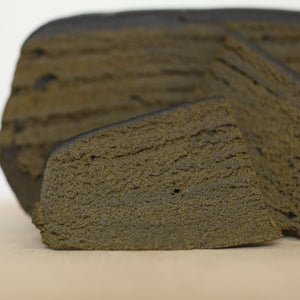
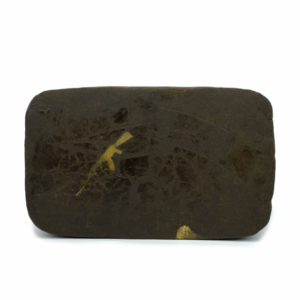
The journey of transforming cannabis plants into hashish, especially those grown near palm trees, is meticulous and steeped in tradition. Farmers carefully select mature cannabis plants at the ideal time for harvesting. Following the harvest, they engage in a sieving and pressing process to extract the resin, which holds the plant’s potent compounds. This resin is then compressed into bricks, culminating in the final product cherished by many.
The craftsmanship involved in hashish production ensures that the final product retains its aromatic qualities and sought-after effects. This artisanal approach not only preserves the integrity of the hash but also reflects a deep respect for the plant’s cultural significance.
Cultural Significance of Hashish in Pakistan
In Pakistan, hashish occupies a multifaceted role within sociocultural dynamics. Frequently associated with recreational use, many communities harbor a historical relationship with hashish, viewing it as a means to navigate life’s challenges. Celebrations, gatherings, and even religious ceremonies often incorporate its use, illustrating its deep-rooted significance in local traditions.
Palm trees enhance this rich cultural tapestry. Communities frequently gather in the shade of palm trees for social events, bonding through the sharing of stories, laughter, and, often, hashish. This connection underscores an enduring legacy that highlights the interwoven relationship between nature, agriculture, and human experience.
The Modern Cannabis Scene in Pakistan
As global perspectives on cannabis evolve, Pakistan is witnessing a parallel transformation. With increasing discussions on the medicinal benefits of cannabis, the notion of legalization is gaining traction. This changing landscape could lead to more structured cultivation practices and improved quality control in hashish production.
In regions where palm trees dominate the landscape, the future of hashish production appears promising. Growing public interest in high-quality products may encourage farmers to adopt sustainable practices, thereby ensuring the health of both palm groves and cannabis plants.
Conclusion: Embracing the Future of Palm Trees and Hashish
The intersection of palm trees and hashish in Pakistan signifies much more than mere agricultural products. They represent the resilience and adaptability of local communities amid shifting economic realities. The synergy between palm cultivation and hash production not only celebrates Pakistan’s rich cultural heritage but also suggests an evolving dynamic as societal attitudes toward cannabis progress.
In conclusion, palm trees are vital not only to Pakistan’s ecosystem but also to the social fabric of its communities. As we look to the future, the journey of hashish production is intertwined with both tradition and innovation, revealing exciting potential for growth and transformation within Pakistan’s agricultural landscape.


Reviews
There are no reviews yet.